



Social media management used to mean spending hours scheduling posts, responding to comments, and trying to figure out why your engagement dropped 30% last week. Now there are tools that handle most of this automatically while you sleep.
The catch is that most of these tools are either overpriced, underdelivering, or both. I’ve spent time with dozens of social media automation platforms. Some are genuinely useful. Others feel like someone bolted a chatbot onto a scheduling calendar and called it innovation.
Here are ten AI automation tools that actually solve real problems for people managing social media accounts.
Followr.ai
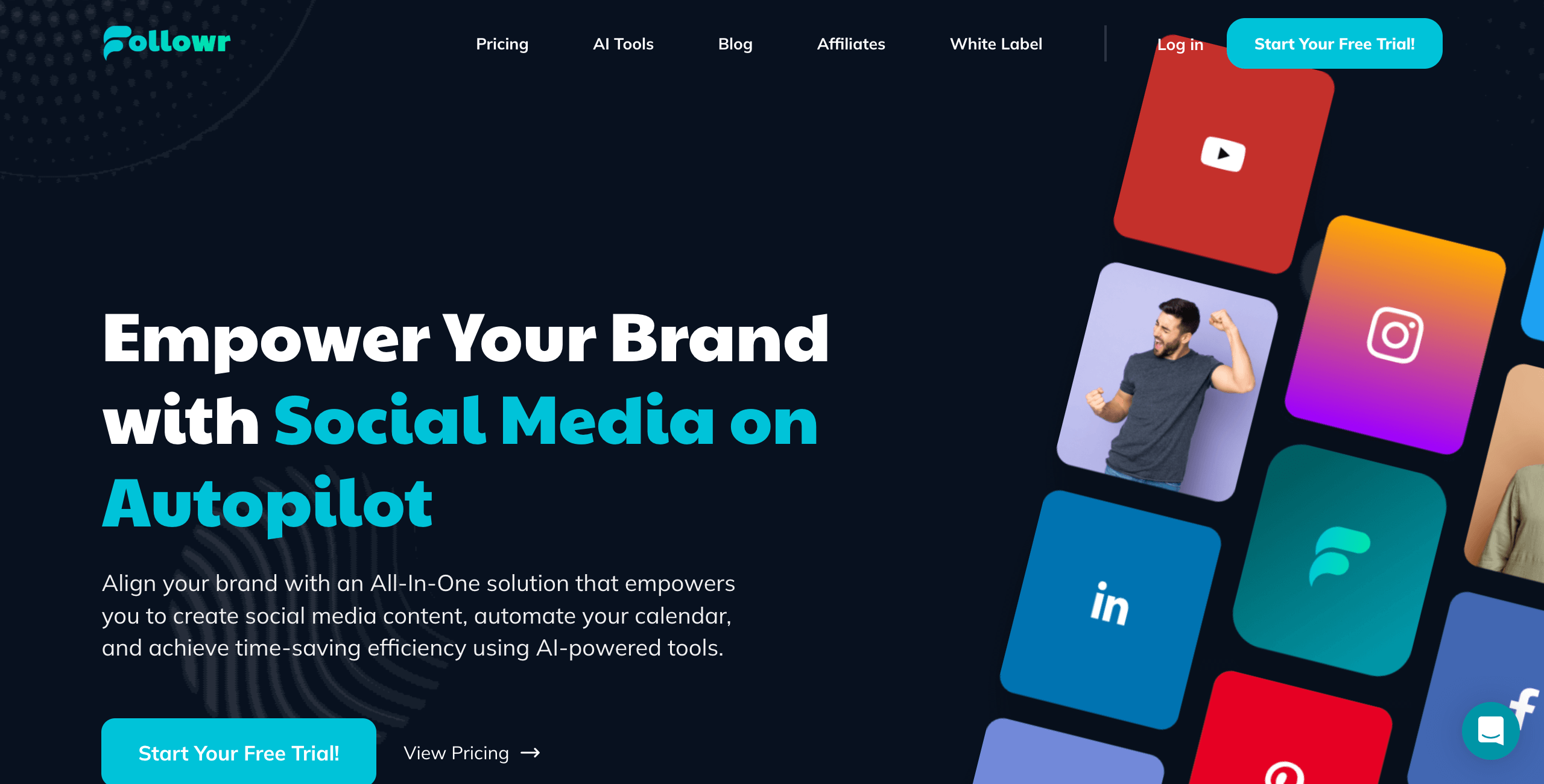
Followr is built specifically for automating social media workflows without requiring you to become a data scientist. The platform handles content creation, scheduling, analytics, and optimization across multiple channels.
What makes it interesting is the approach to content generation. You give it your brand guidelines and target audience, and it creates posts that sound like they came from your team rather than a robot. The AI learns your voice over time, which means the content gets better the longer you use it.
The scheduling system predicts optimal posting times based on when your specific audience is most active. Not some generic “best times to post on Instagram” advice, but actual analysis of your account data. This matters more than people realize. Posting at 2pm versus 6pm can double your reach.
Followr also includes analytics that go beyond vanity metrics. It tracks what actually drives conversions and engagement, then adjusts your content strategy accordingly. The platform can manage multiple accounts simultaneously, which helps if you’re running social media for several brands or clients.
Pricing sits in the middle range. Not cheap enough to impulse buy, but significantly less expensive than hiring a full-time social media manager.
Buffer AI Assistant
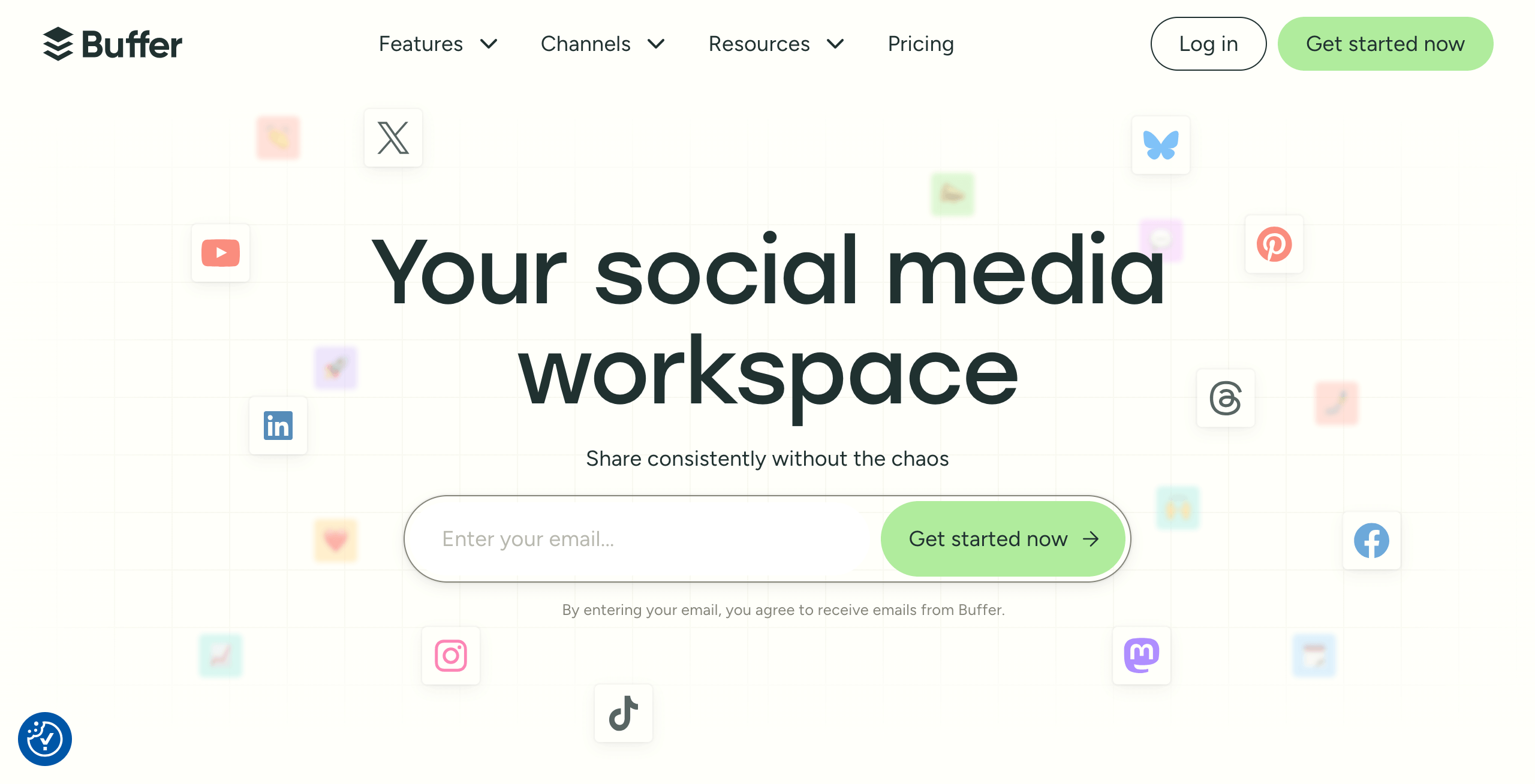
Buffer has been around forever in social media years. They added AI features recently that integrate into their existing scheduling and analytics platform. The AI Assistant helps you write posts, suggests improvements to drafts, and generates ideas when you’re stuck.
The strength here is simplicity. Buffer doesn’t try to do everything. It focuses on making content creation and scheduling easier. The AI suggestions tend to be practical rather than wildly creative. Sometimes that’s exactly what you need.
The analytics dashboard shows which posts performed well and why. The AI can then generate similar content automatically. This works better for some industries than others. B2B companies seem to get more value than lifestyle brands.
One limitation is that the AI features cost extra on top of the base subscription. You’re paying for Buffer, then paying again for the AI components. The math works if you’re already using Buffer anyway.
Jasper for Social Media
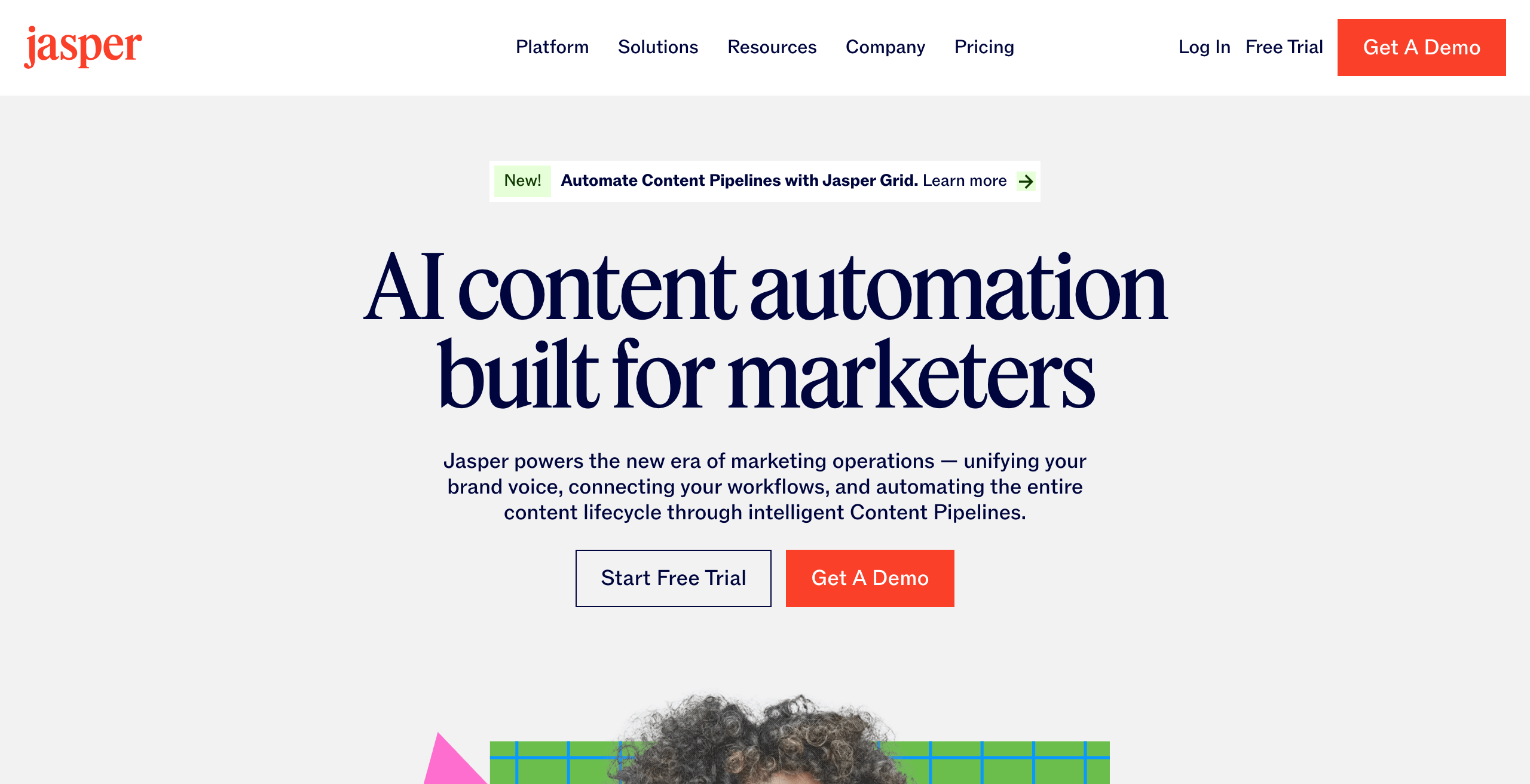
Jasper started as a content writing tool and expanded into social media. The platform can generate entire month’s worth of social posts in minutes. Quality varies, but the better prompts you write, the better output you get.
Where Jasper shines is in creating variations. You give it one core message, and it spins out ten different ways to say the same thing across different platforms. LinkedIn gets the professional version. Twitter gets the punchy version. Instagram gets the visual description.
The learning curve is steeper than other tools. You need to understand how to prompt the AI effectively. This pays off over time but can be frustrating initially.
Jasper integrates with SurferSEO and other tools if you care about optimizing social content for search. Most people probably don’t, but the option exists.
Lately

Lately uses AI to transform long-form content into dozens of social media posts. You feed it a blog article, podcast transcript, or video, and it extracts key points and turns them into bite-sized posts.
This solves a specific problem. Content repurposing is incredibly valuable but takes forever manually. Lately automates the tedious parts while letting you maintain quality control.
The AI learns which phrases and formats perform best for your audience. It then prioritizes similar content in future suggestions. Over time, the system gets better at predicting what will resonate.
The pricing is higher than most tools on this list. Lately positions itself as an enterprise solution, which explains the cost structure. Smaller businesses might find it excessive.
Hootsuite Insights powered by Talkwalker
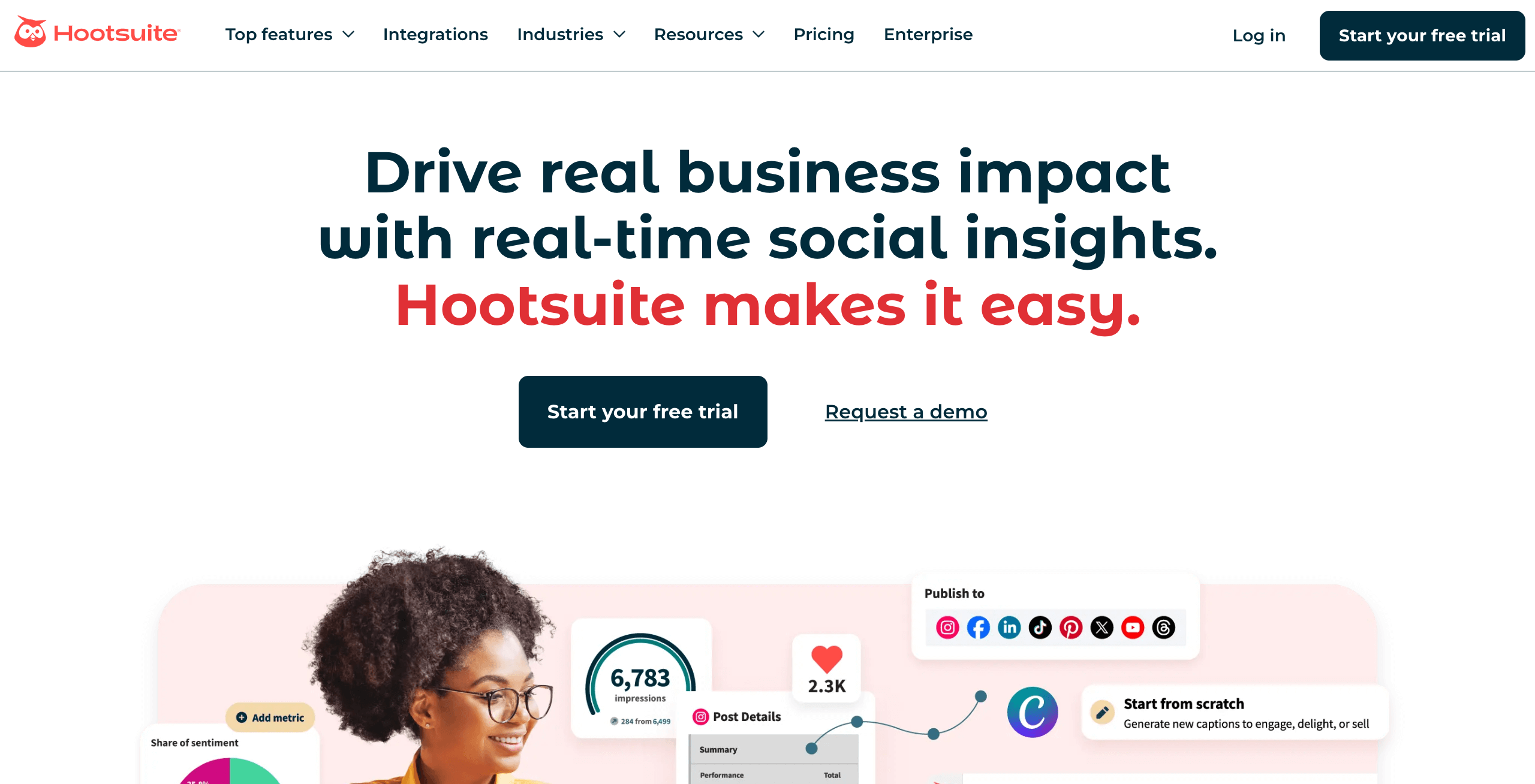
Hootsuite added serious AI capabilities through their partnership with Talkwalker. The system monitors social conversations, identifies trends, and predicts what content will perform well.
The sentiment analysis is surprisingly accurate. It can tell the difference between genuine enthusiasm and sarcasm, which matters when you’re trying to gauge public reaction to a product launch or PR situation.
Competitive analysis features let you see what’s working for other brands in your space. The AI identifies patterns and suggests similar strategies adapted to your brand voice.
The downside is complexity. Hootsuite has accumulated features over the years, and the interface shows it. Finding specific tools requires clicking through multiple menus. Once you learn where everything is, it works well.
Sprout Social

Sprout Social combines publishing, engagement, and analytics with AI-powered recommendations. The Smart Inbox uses natural language processing to categorize and prioritize messages so you respond to the important stuff first.
The reporting features are extensive. Maybe too extensive. You can generate reports on virtually any metric you care about. The AI highlights unusual patterns or significant changes automatically.
Content suggestions arrive based on trending topics in your industry. These tend to be timely rather than evergreen, which works well if you want to participate in relevant conversations.
Sprout is expensive. Really expensive. The pricing makes sense for agencies or large companies managing many accounts. Individual creators or small businesses should look elsewhere.
Predis.ai
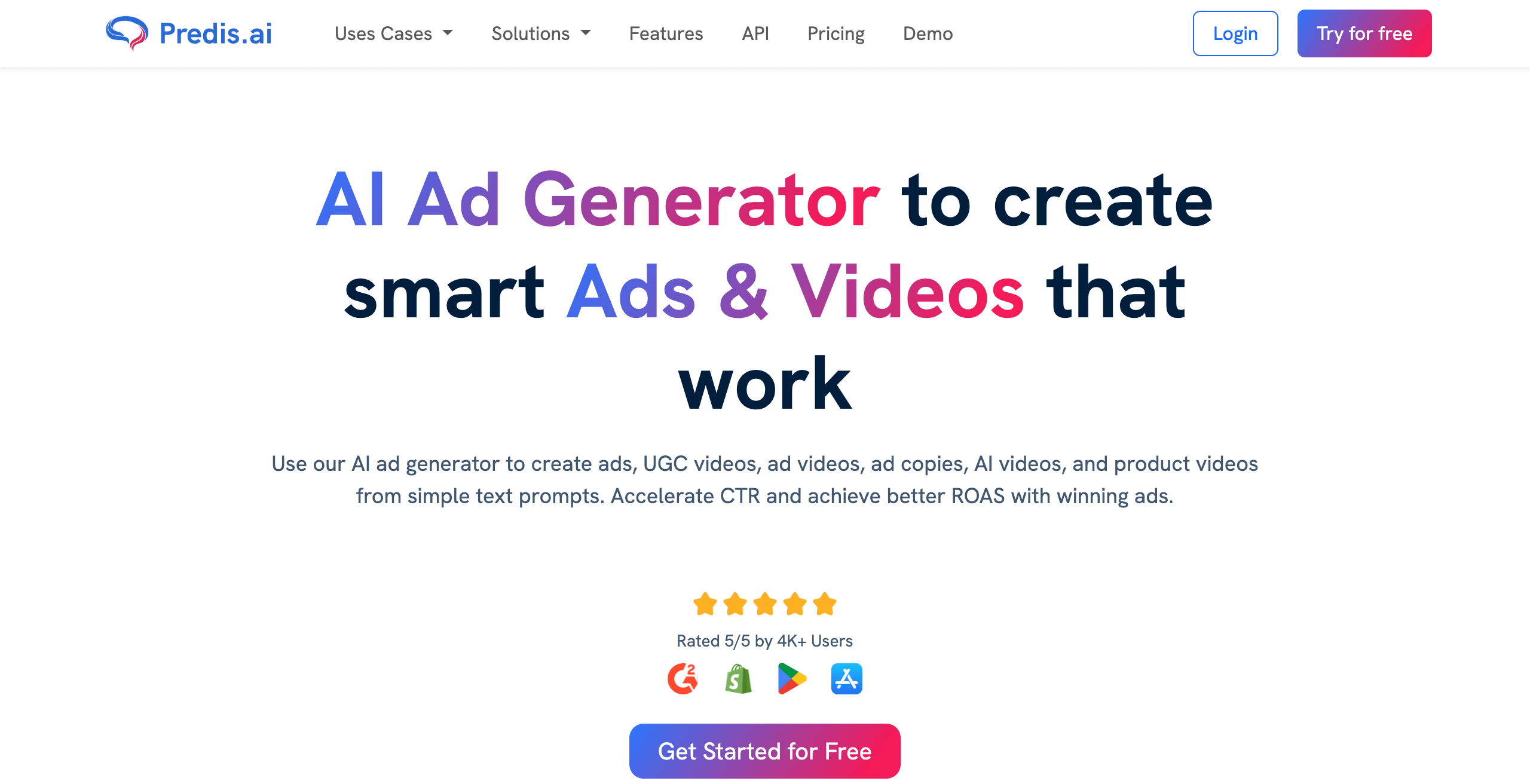
Predis focuses on visual content creation using AI. You describe what you want, and it generates images, videos, and carousels optimized for each platform. The results look professional without requiring design skills.
The tool includes templates that follow current design trends. This helps if you struggle with visual content or don’t have a designer on staff. The AI can also analyze your competitors’ visual content and suggest similar approaches.
One nice feature is brand kit integration. You upload your logos, colors, and fonts once, and all generated content maintains consistency automatically.
The video generation capabilities are improving but still limited compared to dedicated video tools. Good for simple animations and text-based videos. Not sophisticated enough for complex storytelling yet.
ChatGPT with Custom Instructions
This feels like cheating, but ChatGPT deserves mention. With custom instructions and the right prompts, you can create a personalized social media assistant. It generates content, analyzes posts, suggests improvements, and helps with strategy.
The advantage is flexibility. You can adapt it to any workflow or content style. The disadvantage is that you need to do all the integration work yourself. ChatGPT won’t schedule posts or track analytics automatically.
Many people use ChatGPT alongside traditional scheduling tools. Generate content in ChatGPT, then use Buffer or Hootsuite to publish it. This hybrid approach works surprisingly well.
The Plus subscription includes browsing capability, so the AI can research trending topics and provide current information rather than relying solely on training data.
Ocoya
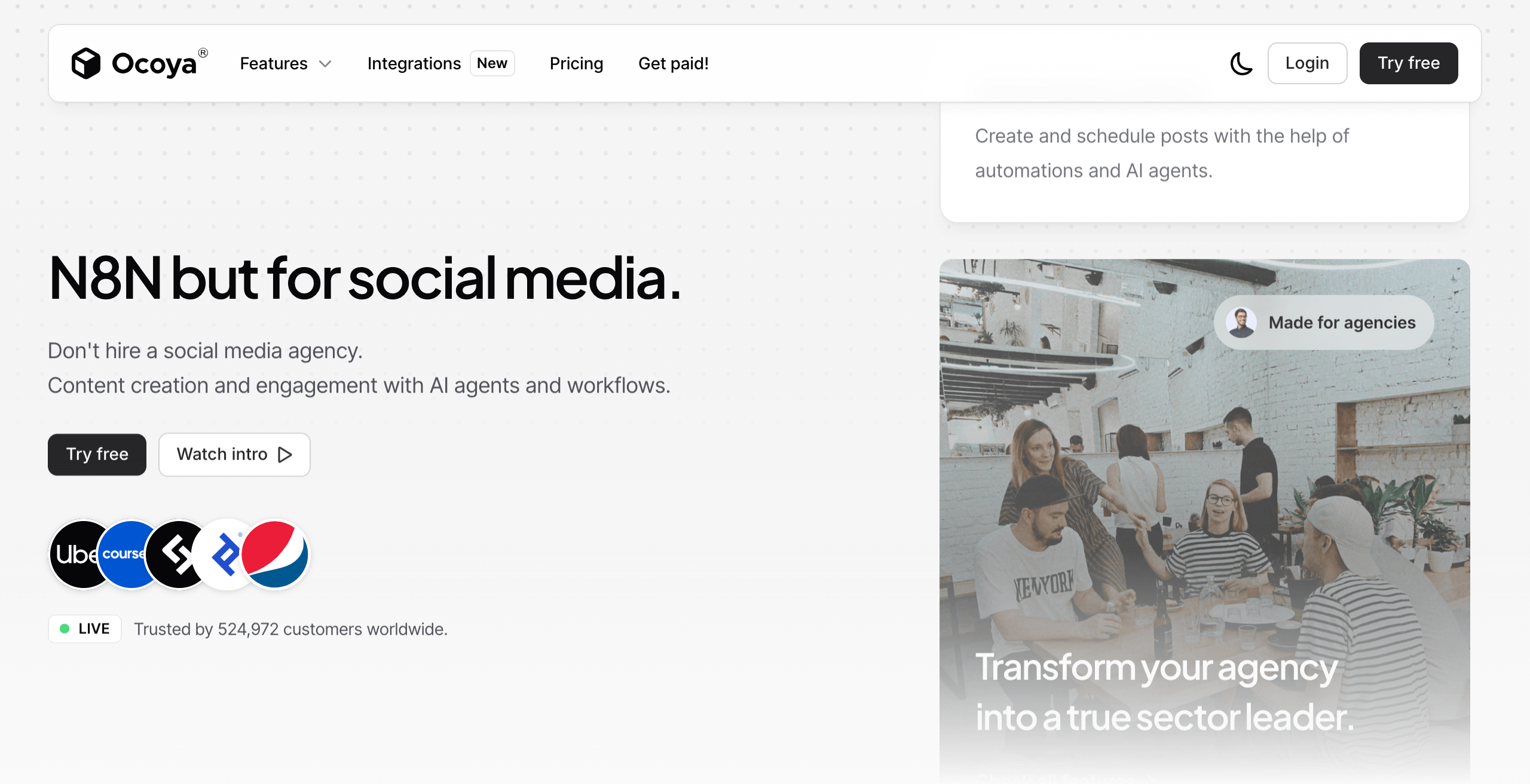
Ocoya combines content creation, scheduling, and e-commerce features. The AI generates posts, hashtags, and visual content while tracking performance across platforms.
What makes Ocoya different is the focus on conversion rather than engagement. The tool optimizes for clicks, sign-ups, and sales rather than likes and comments. This matters if you’re using social media for business rather than brand awareness.
The copywriting AI understands direct response principles. It includes calls to action, creates urgency, and focuses on benefits. Sometimes this feels overly salesy, but you can adjust the tone.
E-commerce integrations let you create product posts automatically. Connect your store, and Ocoya generates social content for new products, restocks, or sales.
Flick
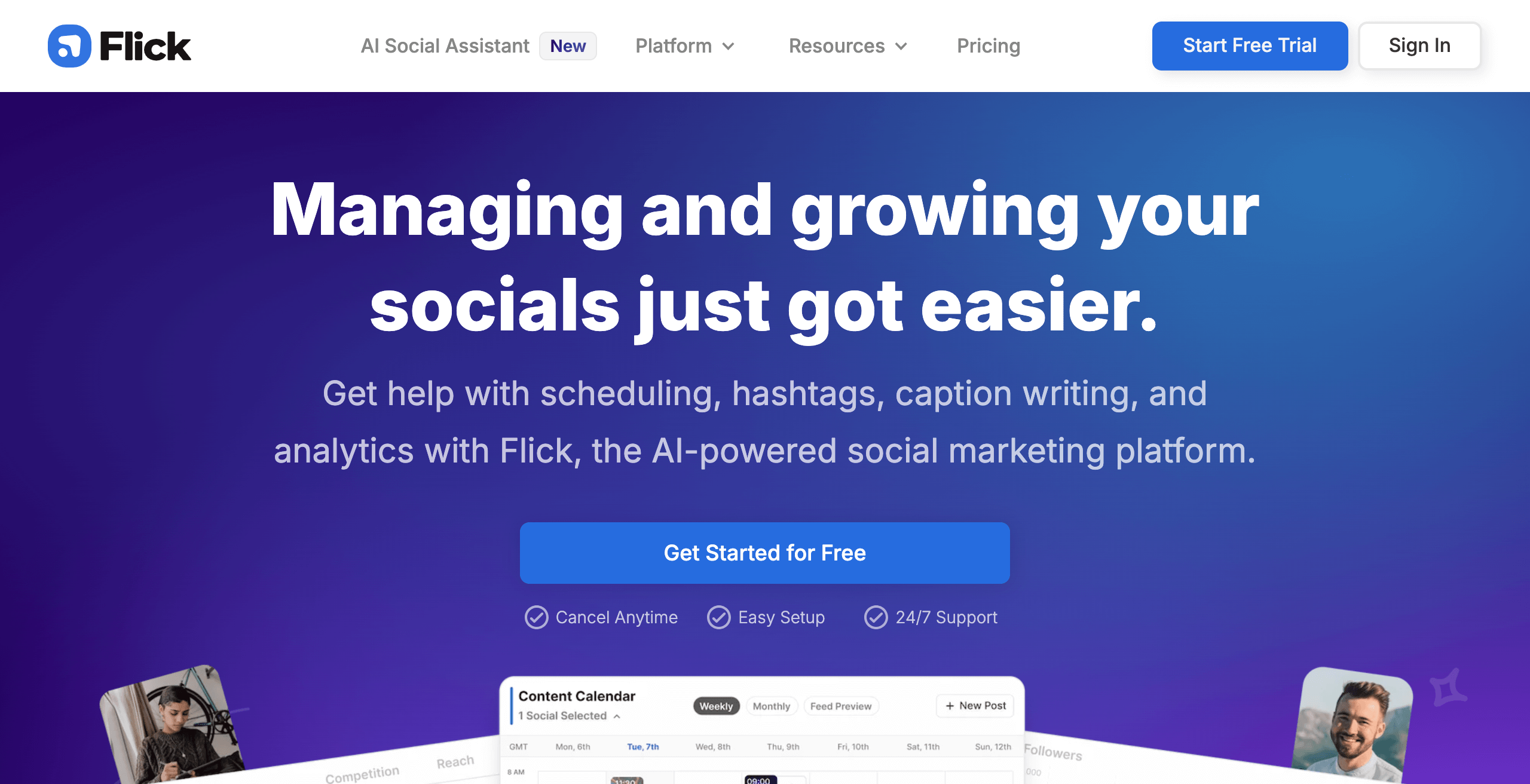
Flick started as a hashtag tool and evolved into a full AI-powered social media platform. The AI Caption Writer generates post copy in seconds. The Hashtag Picker analyzes which tags drive engagement for your specific account.
The Content Lab feature helps you brainstorm ideas when you’re stuck. You describe your business and target audience, and it generates topic suggestions with complete posts ready to edit.
Analytics show hashtag performance over time. You can see which tags actually drive reach versus which ones are wasted characters. This level of detail helps optimize every post.
Flick works particularly well for Instagram-focused accounts. The features align with how Instagram’s algorithm prioritizes content. Other platforms get less attention in the interface design.
Choosing the Right Tool
The best social media automation tool depends on what you actually need. If you manage multiple client accounts, you want something like Sprout Social or Hootsuite. If you focus on content creation, Jasper or Predis might work better. If you need comprehensive automation across the entire workflow, Followr.ai deserves serious consideration.
Think about where you spend the most time currently. Content creation? Scheduling? Analytics? Engagement? Pick tools that automate your biggest time sinks first.
Consider your budget realistically. Some of these tools cost more per month than many people spend on groceries. The investment needs to return value through time savings or improved results.
Test free trials before committing. Most platforms offer 7-14 day trials. Actually use them during this period. Schedule posts, generate content, review analytics. You’ll know quickly whether the tool fits your workflow.
Wrapping up
AI automation can save enormous amounts of time. It can also create a flood of mediocre content that damages your brand. The technology works best when it amplifies human creativity rather than replacing it entirely.
Use AI to handle repetitive tasks. Scheduling, reformatting content for different platforms, generating first drafts, analyzing data. Let humans handle strategy, genuine engagement, and anything requiring emotional intelligence.
Social media still involves connecting with people. Automation should free you to focus on those connections, not eliminate them. The brands that succeed with AI automation use it to do more of what makes them human, not less.
The tools keep improving. What couldn’t work six months ago might work perfectly now. The landscape changes constantly. Stay curious, test new features, and adjust your approach as the technology evolves.
Your specific situation matters more than any general recommendation. Try different tools, measure results, and stick with what actually works for your audience and goals.


